Unit cost is assumed
Material, labor, equipment and overhead are not consistently connected to the product or batch that created them.
 Book 15 minutes
Serving Reading and Berks County, Next Pull helps established small production businesses understand unit economics, material usage, throughput, downtime and capacity—then improve the parts of the operation that create the most value.
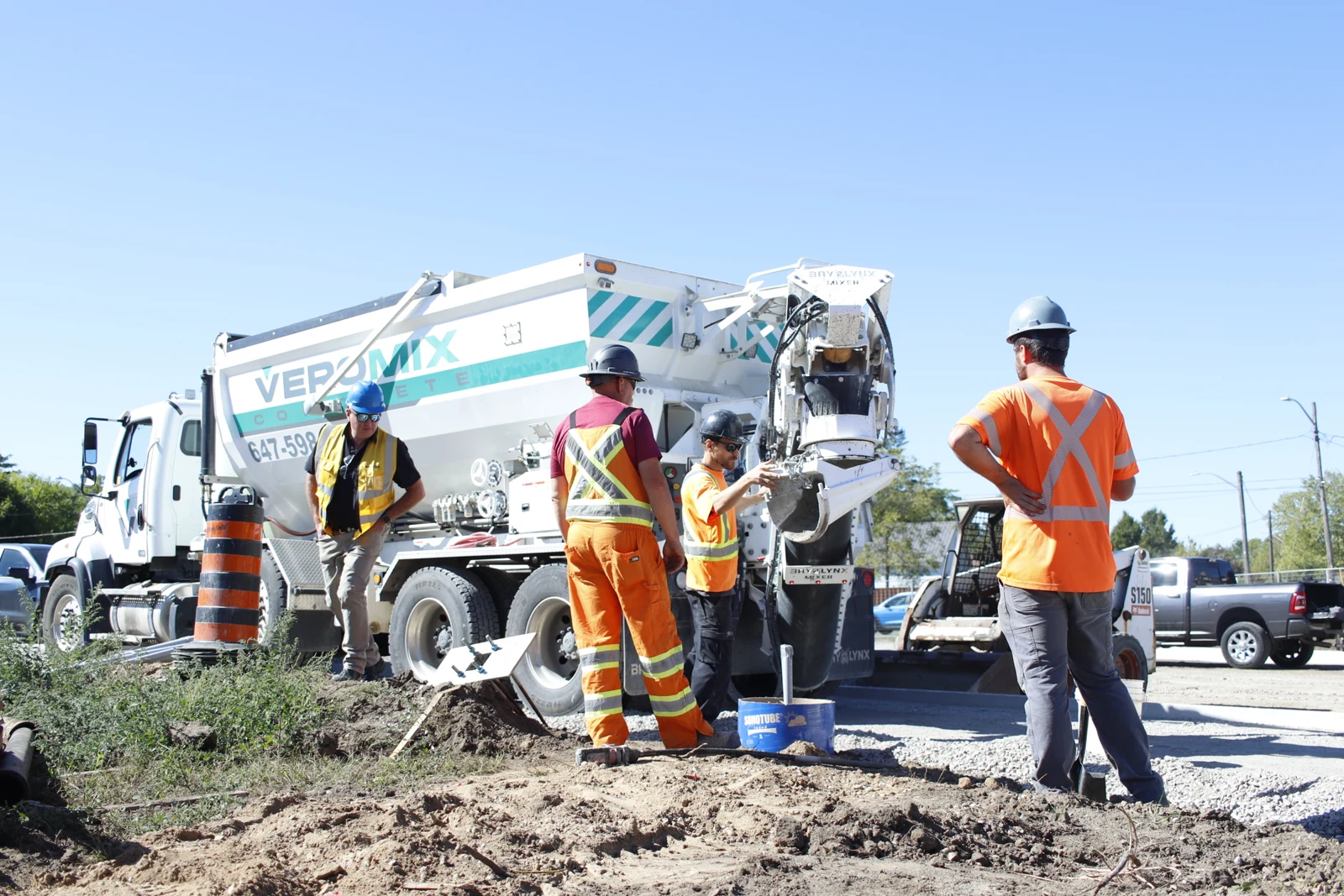
The company owns specialized equipment, buys material and depends on operators to produce consistent output. The work may be concrete, aggregates, fabrication, food, packaging or another small-scale production process where waste and lost time repeat across every unit.
Material, labor, equipment and overhead are not consistently connected to the product or batch that created them.
Overproduction, scrap, spoilage, rework and yield loss are treated as part of the job instead of measured as margin leakage.
Breakdowns, changeovers, waiting and scheduling gaps reduce output from expensive equipment and skilled operators.
Material and operating costs change faster than the company’s pricing logic and customer agreements.
Demand, labor, equipment, materials and delivery can each become the bottleneck, making the next investment difficult to judge.
More volume creates more inventory, maintenance and working-capital pressure before it produces owner return.
Volumetric concrete is one clear example: the business must align mix cost, material usage, batching, truck time and delivery. The same principle applies to any small production operation.
Connect material, labor, equipment and overhead to the product, batch or production hour.
Identify the downtime, waste, yield and scheduling patterns that consume productive capacity.
Determine what actually limits profitable output before adding labor, equipment or space.
Align pricing, maintenance, scheduling and investment with the operation’s strongest economics.
Serving established production businesses across Berks County, Lebanon, Schuylkill, the Lehigh Valley and surrounding Pennsylvania markets.
Tell Daniel where you want the business to go—and what you would like help putting into practice.
Book a 15-minute conversationDaniel calls you. No preparation. No obligation.